
The Hyperice Vyper 3 is a focused recovery tool for people who want vibration-assisted rolling without a lot of setup.
It makes the most sense for warmups, post-workout recovery, and mobility work where consistency matters.
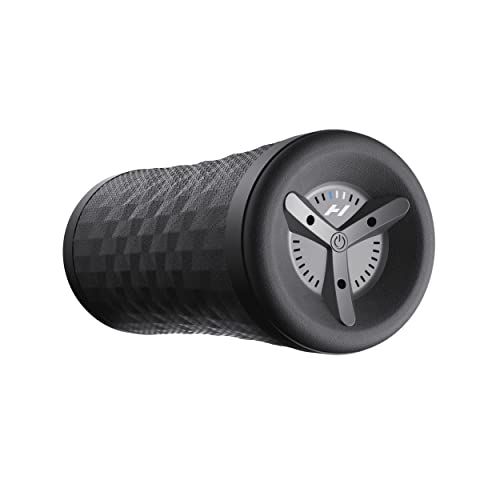
Vyper 3 Review Summary
If you want a vibrating roller that feels purpose-built rather than gimmicky, the Hyperice Vyper 3 is easy to understand.
Its three speeds, contoured shape, and app pairing make it a strong fit for athletes, frequent gym users, and anyone who wants a more structured recovery routine.
The main appeal is that it tries to solve a specific problem: making foam rolling more effective and more tolerable.
The contoured design is meant to avoid direct pressure on the spine and other sensitive areas, while the vibration can help the roller feel more active during a warmup or cooldown.
That combination is the reason to buy it, not raw novelty.
Review Scorecard
| Category | Score | Why it scores this way |
|---|---|---|
| Warmup usefulness | 9/10 | Three vibration speeds and a high-torque motor are well matched to pre-training activation. |
| Recovery support | 8/10 | Built for tension relief and post-workout rolling, with a design that encourages regular use. |
| Comfort and ergonomics | 8/10 | The contoured roller is meant to reduce pressure on sensitive areas. |
| Portability | 7/10 | At 3 lbs and cordless, it travels well, but it is still a powered recovery device. |
| Ease of routine use | 8/10 | A fixed 10-minute session timer keeps use simple and structured. |
| Tech and app value | 7/10 | Bluetooth and app guidance are useful if you want coaching, less so if you just want a roller. |
Key Features and Specifications of Vyper 3
The Hyperice Vyper 3 is a cordless vibrating foam roller with a contoured EPP design and a 34W high-torque motor.
The listing emphasizes activation, recovery, and range-of-motion support rather than passive rolling alone.
- Three vibration speeds for different warmup or recovery needs
- Contoured design intended to reduce pressure on the spine and other sensitive areas
- Bluetooth app pairing for guided sessions and progress monitoring
- 34W high-torque motor for stronger vibration output
- 3 lb weight and cordless construction
- About 2 hours of battery life
- TSA-approved carry-on according to the listing
- 10-minute preset session time per use
The product also requires 5 hours of charging before first use, and the listing notes that a single blue LED means standby mode, while the three white LEDs indicate speed levels and the green LEDs show battery level.
Those details matter because this is not just a simple foam roller; it behaves more like a small recovery appliance.
For buyers, the practical question is whether those extras match how they train.
If you already roll regularly and want more structure or intensity, the Vyper 3 has a clear use case.
If you only roll occasionally, its feature set may be more than you need.
Pros and Cons of Vyper 3
Pros
- The three speed settings give it a broader use range than a basic roller.
- The contoured shape is more thoughtful than a flat cylinder for people concerned about sensitive areas.
- Bluetooth app support adds guided structure if you like following a routine.
- The cordless design and 3 lb weight make it easier to move between home, gym, and travel.
- The 10-minute preset can help keep sessions short and repeatable.
Cons
- It is still a specialized recovery device, so casual users may not use it enough to justify the complexity.
- The 5-hour first charge is inconvenient if you want immediate use.
- The battery life is about 2 hours, which is fine for normal sessions but not endless.
- If you only want simple self-massage, the app and vibration features may feel unnecessary.
The best thing about the Vyper 3 is that its advantages are aligned.
The motor, contour, and session timing all point toward one workflow: short, deliberate warmups and recovery sessions.
The downside is that you are paying for that workflow whether you use every feature or not.
Who Should Buy Vyper 3?
The Hyperice Vyper 3 is a good fit for people who train regularly and want a repeatable recovery tool.
It makes the most sense for runners, lifters, cyclists, studio athletes, and anyone who benefits from an organized warmup before movement.
It is also a sensible option if you already know you respond well to foam rolling but want something that feels more active than a standard roller.
The app support is a plus for users who like guided routines, and the contoured shape is attractive if you are sensitive to direct pressure along the spine.
Buy it if you want:
- A vibrating roller with multiple intensity levels
- A more comfortable roller shape than a plain cylinder
- A portable recovery tool for home or travel
- Short, structured sessions instead of open-ended rolling
Skip it if you want:
- A simple, low-tech foam roller
- The cheapest possible recovery option
- Something you will use only once in a while
- A device with no battery or charging routine
For buyers who already have a consistent mobility habit, the Vyper 3 is easier to justify.
For everyone else, the feature set may be more interesting than essential.
How the Vyper 3 Fits Recovery Work
Warmup and Activation
The strongest use case here is pre-workout activation.
The listing positions the Vyper 3 as a way to energize muscles, loosen tension, and get prepped for action, and the three speeds let you choose how aggressive you want the session to feel.
Post-Workout Relief
For recovery after training, the value is less about intensity and more about repeatability.
The preset 10-minute session makes it easier to build the device into a cooldown habit, which is useful if you do not want to spend time deciding how long to roll.
Comfort and Body Positioning
The contoured EPP shape is one of the most important design choices.
It is meant to avoid direct pressure on the spine and other sensitive areas, which can make rolling feel less awkward for people who dislike flat rollers.
App-Guided Routine
Bluetooth pairing with the Hyperice app adds a layer of guidance that can help if you are not sure how to structure your sessions.
That will matter more to newer users than to experienced athletes who already have a warmup sequence they trust.
Alternatives to Vyper 3
If you want a different approach, the most credible alternatives are other well-known recovery rollers and massage tools that are commonly sold on Amazon.
- Hyperice Vyper 2 if you want a similar vibrating roller with an older feature set.
- Theragun Wave Roller if you want a competing vibrating roller from a major recovery brand.
- TriggerPoint Grid Vibe Plus if you prefer a textured rolling feel with vibration.
- ROCKBROS vibrating foam roller if you want a more budget-oriented option to compare.
- TheraGun massage ball if you want more targeted pressure instead of a full-length roller.
The main comparison point is whether you want a premium vibrating roller with app support or a simpler tool that stays focused on one job.
The Vyper 3 is strongest when you actually want a guided recovery workflow.
Is Vyper 3 Worth It?
The Hyperice Vyper 3 is worth it if you will use vibration-assisted rolling as part of a real training routine.
Its strengths are the contoured design, three speed levels, cordless portability, and the fact that it is built for short, repeatable sessions rather than random use.
If you are serious about warmups, recovery, and range-of-motion work, this is a credible buy.
If you only want an occasional foam roller, the Vyper 3 is probably more device than you need.
For the right user, though, it is a well-defined tool with a clear purpose.