
The best weighted jump ropes for speed training combine manageable resistance with fast, reliable rotation. The right choice can improve conditioning, timing, coordination, and workout intensity without making every session unnecessarily difficult.
We compared 10 options across weight, adjustability, bearing design, cable construction, grip comfort, and intended use so you can choose a rope that matches your training level and goals.
Best 10 Weighted Jump Ropes for Speed Training Picks for 2026
Light-Speed Pick
HEREROPE 1/4LB Weighted Jump Rope

- Light 1/4-lb cable supports speed practice
- Ball bearings provide smooth rotation
- Four size options and ergonomic PU grip
Best For: Speed work, cardio, and boxing drills
Resistance Training Pick
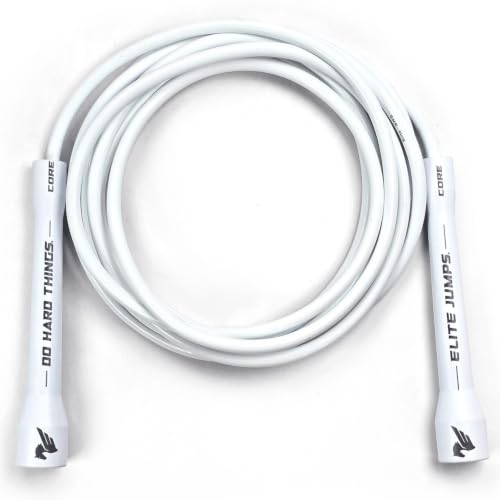
- Thick 6mm cord adds workout resistance
- Snap-lock ends simplify resizing
- Suitable for indoor or outdoor cardio
Best For: Beginners, boxing, and resistance-focused cardio
Quick-Adjust Pick

- Self-locking system enables fast resizing
- Double bearings support smooth rotation
- PU-coated steel cable resists wear
Best For: Adjustable fitness, CrossFit, and boxing workouts
Most Versatile Pick
Interchangeable Weighted Jump Rope

- Includes 1/5-, 1/4-, and 1/2-lb ropes
- Ball bearings support stable rotation
- Accessory kit helps with adjustment and travel
Best For: Progressive speed, cardio, boxing, and strength training
Everyday Speed Pick
Adjustable Foam-Handle Jump Rope

- Adjustable 280 cm steel cable
- Ball bearings support quick rotation
- Soft, moisture-wicking foam grips
Best For: General fitness, endurance, and portable speed workouts
Weighted Training Pick

- 4.2-ounce weighted steel rope
- Adjustable 8-to-10-foot length
- Metal handles with silicone grip
Best For: Boxing, CrossFit, cardio, and beginner weighted training
Control-Focused Pick
Dual-Bearing Aluminum Speed Rope
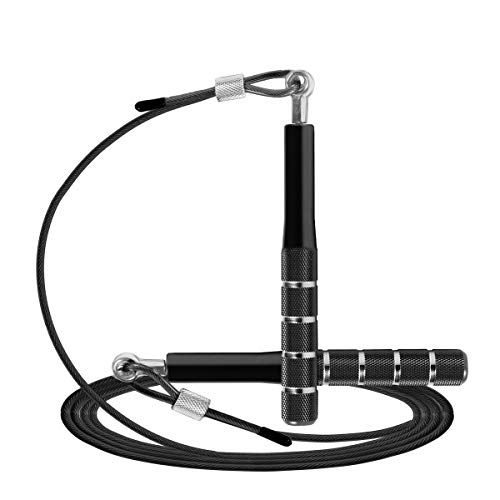
- Dual bearings support smooth rotation
- Adjustable 9.8-foot steel-wire rope
- Lightweight aluminum handles
Best For: Fast, controlled practice with minimal arm fatigue
Best Hybrid Pick
Redify 1-LB Adjustable Weighted Jump Rope
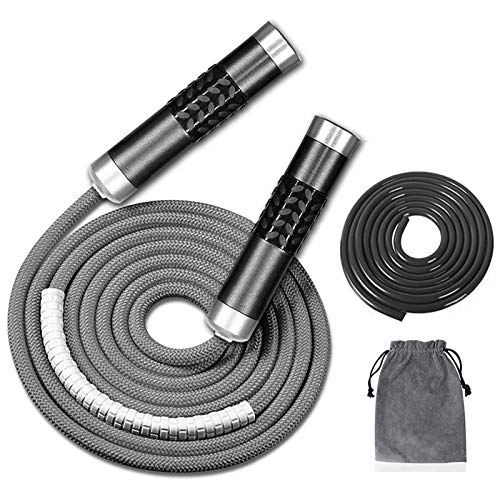
- Smooth double-ball-bearing rotation for speed drills
- Interchangeable cotton and PVC ropes
- Adjustable aluminum handles with silicone grips
Best For: Double-unders, boxing, MMA, and mixed speed-and-resistance sessions
Best Heavy-Resistance Option
HPYGN 2.8-LB Weighted Jump Rope

- Substantial 2.8-pound training weight
- Wear-resistant polymer synthetic fiber
- Anti-slip handles and included travel bag
Best For: Strength-focused conditioning, boxing, MMA, and advanced users
Best Speed-Focused Setup
Titan Armour Adjustable Steel Speed Rope

- Smooth ball-bearing rotation for fast skipping
- Two steel ropes with different thicknesses
- Self-locking adjustment and travel case
Best For: Double-unders, boxing, CrossFit, MMA, and portable speed practice
Light-Speed Pick – HEREROPE 1/4LB Weighted Jump Rope
For shoppers comparing weighted jump ropes for speed training, the HEREROPE 1/4-pound rope offers a relatively light resistance level without sacrificing smooth rotation. Its PVC-coated steel cable, ball-bearing mechanism, and available sizing make it a practical option for developing pace and coordination.
Best For: Speed work, cardio, boxing drills, and jumpers who want light resistance.
Pros:
- Light 1/4-pound cable is designed to support faster jumping and reduce curling.
- Precision swivel ball bearings promote smooth rotation.
- PU leather ergonomic grips are designed for comfort and handling.
- Available in four sizes, with length options based on user height.
Cons:
- The 1/4-pound resistance may feel too light for users seeking heavy strength work.
- Length selection requires choosing among separate size options.
This is a focused speed-and-cardio rope rather than a highly adjustable resistance system. It stands out for its light cable, comfortable grip, and smooth bearing-driven rotation.
Resistance Training Pick – Elite Jumps 6mm PVC Jump Rope
The Elite Jumps 6mm PVC rope is a straightforward choice among weighted jump ropes for speed training, especially for users who want more cord feedback while building cardio. Its thicker PVC cord adds resistance, and the snap-lock ends make resizing simple.
Best For: Beginners, boxing workouts, cardio sessions, and jumpers who prefer a rope they can feel during rotation.
Pros:
- Thick 6mm PVC cord adds resistance for a more demanding workout.
- Non-kinking construction is designed for indoor and outdoor use.
- Snap-lock cord ends allow easy length adjustment.
- The heavier feel can help beginners track the rope as it spins.
Cons:
- The thicker cord is not as speed-focused as an ultralight cable.
- Plastic handles may offer less premium cushioning than leather-grip alternatives.
Choose this model if cord feedback and added resistance matter more than maximum turnover speed. Its adjustable 10-foot length and durable PVC design suit regular cardio and boxing practice.
Quick-Adjust Pick – High Speed Weighted Jump Rope
For weighted jump ropes for speed training that prioritize quick setup, this model combines a self-locking length system with a steel cable coated in wear-resistant PU. Its double-bearing design is intended to keep rotation fast and stable during fitness, CrossFit, and boxing sessions.
Best For: Adults and older kids who want adjustable length, strong rotation feedback, and a durable workout rope.
Pros:
- Self-locking design adjusts the 10-foot rope without screws.
- Double bearings support smooth, fast, and stable rotation.
- PU-coated steel cable is designed to resist wear and tangling.
- Aluminum handles with synthetic rubber grips provide a slip-resistant setup.
Cons:
- The heavier design may be demanding for beginners or casual jumpers.
- The supplied notes do not specify interchangeable weight levels.
This rope fits users who want a more substantial training feel and fast length adjustments. The bearing system and coated cable make it a practical choice for repeated high-intensity sessions.
Most Versatile Pick – Interchangeable Weighted Jump Rope
This interchangeable system is one of the more flexible options among weighted jump ropes for speed training. It includes 1/5-, 1/4-, and 1/2-pound ropes, allowing users to begin with lighter resistance and progress toward a more demanding strength and conditioning session.
Best For: Households or athletes who want multiple resistance levels for speed, cardio, boxing, and progressive training.
Pros:
- Three interchangeable weights support progression from beginner to heavier training.
- 7000-rpm steel ball bearings are designed for smooth, stable rotation.
- PVC-coated steel wires are intended to resist kinking, tangling, and wear.
- Includes a travel pouch, wire cutter, manual, and adjustment accessories.
Cons:
- At 1.29 kg, the complete package is heavier to store or transport than a single-rope setup.
- Length adjustment requires trimming and using the included hardware.
- The 1/2-pound option may be too demanding for new jumpers.
The interchangeable design is the main advantage here: users can practice technique with the lightest rope and add resistance as their conditioning improves. It is particularly well suited to structured, progressive training.
Everyday Speed Pick – Adjustable Foam-Handle Jump Rope
If you want weighted jump ropes for speed training but prefer a lightweight, approachable setup, this adjustable steel-cable model is a practical choice. Its PVC-coated wire, ball bearings, and foam-covered handles support quick workouts for beginners and experienced users alike.
Best For: General fitness, endurance work, and portable speed-focused workouts.
Pros:
- Adjustable 280-centimeter length suits different users.
- Ball bearings support fast, smooth rotation and help reduce tangling.
- Foam handles offer a soft, non-slip, moisture-wicking grip.
- Lightweight 0.18-kilogram design is easy to carry.
Cons:
- Its lightweight construction may provide less resistance than a truly weighted rope.
- Foam grips may not feel as substantial as metal handles.
This rope is best viewed as a versatile speed and conditioning tool rather than a heavy-resistance option. The adjustable length and comfortable handles make it a convenient pick for home workouts and travel.
Weighted Training Pick – 1/2 lb Boxing Jump Rope
For shoppers specifically comparing weighted jump ropes for speed training, this model adds a 4.2-ounce steel-wire rope for more feedback than a standard speed rope. High-speed bearings, adjustable length, and silicone-covered metal handles make it suitable for boxing, CrossFit, cardio, and conditioning sessions.
Best For: Beginners seeking added rope resistance for boxing, cardio, CrossFit, and endurance training.
Pros:
- Weighted 5.0-millimeter steel rope adds resistance while remaining beginner-friendly.
- Ball bearings help support rapid rotation and reduce tangling.
- Adjustable 8-to-10-foot length accommodates different users.
- Metal handles with silicone covers provide durability and a secure grip.
Cons:
- The added rope weight may feel more demanding than a lightweight speed rope.
- The product is listed for adults, so it may be less suitable for younger users despite broader audience notes.
This is the most directly aligned option for users who want speed practice with extra rope feedback. Its moderate weighting can support stamina and forearm conditioning without positioning the rope as an extreme-heavy model.
Control-Focused Pick – Dual-Bearing Aluminum Speed Rope
If your priority is fast, controlled rotation, this adjustable speed rope uses dual bearings and a steel wire core coated in silicone. It is not presented as a weighted rope, but its lightweight aluminum handles and smooth rotation make it a useful comparison for speed training and everyday conditioning.
Best For: Users who prioritize lightweight handling, fast rotation, and adjustable fit.
Pros:
- Dual bearings provide smooth 360-degree handle rotation.
- Adjustable 9.8-foot rope can be shortened for different heights.
- Silicone-coated steel wire is designed for durability and reduced coiling.
- Hollow aluminum handles keep the rope lightweight while providing a firm grip.
Cons:
- At 0.15 kilograms, it does not provide the added resistance of a weighted rope.
- Length adjustment requires a screwdriver.
- The notes specify use on flat surfaces, which may limit terrain options.
This is a strong lightweight alternative for developing rhythm and speed before moving to a heavier rope. Choose it when reduced arm fatigue and smooth handling matter more than resistance.
Best Hybrid Pick – Redify 1-LB Adjustable Weighted Jump Rope
For shoppers comparing weighted jump ropes for speed training, the Redify offers a useful middle ground between speed work and added resistance. It includes both a lighter braided cotton rope and a more wear-resistant solid PVC rope, plus ball bearings for smooth rotation.
Best For: Double-unders, WODs, MMA, boxing, CrossFit, and users who want to switch between rope feels.
Pros:
- Double ball bearings are designed for fast, smooth, tangle-free rotation.
- Includes interchangeable 9 mm cotton and PVC ropes for different training preferences.
- Adjustable length, aluminum handles, and silicone grips support a secure fit.
- About 1 pound overall, providing resistance without the extreme load of a heavy rope.
Cons:
- The rope options are relatively substantial, so it may not feel like a traditional ultralight speed rope.
- Its 10-foot rope length may require adjustment for shorter users.
The Redify is a versatile choice when speed drills and resistance training both matter. Its interchangeable ropes make it more adaptable than a single-rope design, while the adjustable aluminum-and-silicone handle setup keeps fit and grip practical.
Best Heavy-Resistance Option – HPYGN 2.8-LB Weighted Jump Rope
If your priority is substantial resistance, the HPYGN is one of the heavier weighted jump ropes for speed training. Its 2.8-pound configuration is aimed at strength-focused conditioning and full-body workouts rather than lightweight, high-cadence rope work.
Best For: Strength-building workouts, bodybuilding, boxing, MMA, and users seeking a heavy training stimulus.
Pros:
- The 2.8-pound rope adds significant resistance for strength and conditioning sessions.
- High-density polymer synthetic fiber is designed for wear resistance.
- Anti-slip handle material helps improve grip during demanding workouts.
- Includes a portable bag for travel and storage.
Cons:
- At 2.8 pounds, it may be too demanding for beginners or conventional speed-focused jumping.
- The supplied details do not indicate ball-bearing rotation or a self-locking length-adjustment system.
- The listed 9.2-foot length may still need checking and adjustment for individual height.
The HPYGN makes the most sense for experienced users who specifically want heavy resistance. It can complement speed practice, but its substantial weight favors controlled strength work over rapid, lightweight footwork.
Best Speed-Focused Setup – Titan Armour Adjustable Steel Speed Rope
The Titan Armour is the most speed-oriented option here for shoppers seeking weighted jump ropes for speed training with a lighter, performance-focused setup. Precision ball-bearing rotation, two steel ropes, and self-locking adjustment make it suited to fast drills and repeated skill practice.
Best For: Boxing, CrossFit, MMA, double-unders, one-foot jumps, and users who value quick adjustments and portability.
Pros:
- Precision ball bearings are designed to provide smooth, fast rope rotation.
- Two steel ropes offer alternative cable thicknesses for different training levels.
- Self-locking adjustment enables quick length changes without fiddly screws.
- Includes cable protectors, aluminum handles, and a tangle-free travel case.
Cons:
- At 240 grams, it is much lighter than a heavy resistance rope, so it may provide less strength-loading stimulus.
- Steel cables may be less forgiving of rough surfaces than a fabric or PVC rope.
- The 126-inch listed length will likely need adjustment for many users.
Choose the Titan Armour when speed, skill progression, and convenient setup are more important than maximum rope weight. Its dual-cable format lets you vary the challenge while the case and cable protectors make it practical for regular travel.
How We Picked the Best Weighted Jump Ropes for Speed Training
We focused on the features that matter most during repeated jump-rope sessions: usable resistance, smooth rotation, length adjustment, handle comfort, and durability. The lineup includes lighter speed-oriented ropes, interchangeable-weight designs, and substantially heavier models for strength-focused conditioning.
We also considered whether each rope suits beginners, boxing workouts, CrossFit-style circuits, general cardio, or experienced users who already have consistent jump-rope technique. A heavier rope is not automatically better for speed training; it should provide enough feedback and resistance without compromising rhythm or control.
Quick Comparison
- Best for lighter speed work: 6mm PVC and standard steel-cable designs that turn quickly and place less strain on the shoulders.
- Best for versatile training: Interchangeable-weight ropes let you move from moderate resistance to heavier conditioning as your skill improves.
- Best for boxing and cardio: Ball-bearing handles and comfortable grips can support longer intervals and smoother direction changes.
- Best for heavy conditioning: Ropes in the 1-pound-and-up range create stronger feedback but require better control and shoulder endurance.
Key Buying Factors for Weighted Jump Ropes for Speed Training
Weight and Resistance
Choose resistance based on experience and workout style. Lighter weighted ropes are generally easier to accelerate for fast intervals, while heavier ropes slow the rotation and make timing errors more noticeable. Beginners and speed-focused athletes should usually start conservatively.
Length Adjustment
An adjustable rope is easier to fit to different heights and jumping styles. A rope that is too long may slap the floor and feel sluggish; one that is too short can catch your feet and force poor posture. Follow the manufacturer’s adjustment guidance rather than relying only on height charts.
Rotation and Construction
Ball-bearing systems can promote smooth rotation, while self-locking or screw-free adjustments may make setup faster. Steel cables are typically responsive and quick, whereas PVC ropes may feel more forgiving for general fitness. Check whether a cable protector is included if you train on abrasive surfaces.
Handles and Durability
Look for secure, ergonomic grips that do not become uncomfortable during longer sessions. Aluminum handles may offer a more premium feel, while foam padding can improve comfort. Consider storage, tangling resistance, and replacement-rope availability before buying.
Who Should Buy Which Weighted Jump Ropes for Speed Training?
Beginners: Start with a lighter, adjustable rope that prioritizes comfort and predictable rotation. Boxers and combat-sports athletes: Choose a responsive cable with smooth bearings and enough weight to improve timing without exhausting the shoulders. Conditioning-focused users: Consider interchangeable or moderately heavy ropes for progressive overload. Experienced athletes: Heavy models can add demanding strength-endurance work, but use them for controlled intervals and maintain clean form.
Whichever model you choose, begin with short intervals, keep jumps low, and stop if your shoulders, wrists, or calves become painful. Speed improves through consistent technique, not simply by selecting the heaviest rope.