
If you want a mat that stays planted through sweaty flows, natural rubber is one of the most reliable materials you can buy. It typically offers excellent traction, solid cushioning, and a more stable feel than many foam alternatives.
Below, we’ve rounded up 10 of the best options for 2026, with picks that suit hot yoga, home workouts, travel, and everyday practice.
Best 10 Natural Rubber Yoga Mats Picks for 2026
Editor’s Pick

- Natural open-cell rubber for strong grip
- 3/16-inch thick with 24-inch width
- PVC- and phthalate-free construction
Best For: Regular yoga practice with a stable, grippy feel
Eco Comfort Pick

- 100% natural tree rubber construction
- Textured surface with rippled grip
- Lighter design for portable use
Best For: Lightweight practice in smaller spaces
Budget Cushion Pick

- 10mm cushioning for joint comfort
- Lightweight with carrying strap
- Easy wipe-clean maintenance
Best For: Comfort-first floor workouts and beginner routines
Travel Favorite
Manduka eKO SuperLite Yoga Mat

- 1.5mm thin and easy to pack
- Foldable design for travel
- Natural tree rubber with textured grip
Best For: Portable practice on the go
Foldable, Space-Saving Pick
Foldable Yoga Mat for Home Workouts

- Accordion-fold design stores easily
- Double-textured surface helps traction
- Lightweight and easy to wipe clean
Best For: Small spaces and everyday home exercise
Wide, Grip-Focused Choice
Extra Wide Natural Rubber Yoga Mat

- Natural rubber base with PU top layer
- Extra-wide 26.8-inch practice area
- Sweat-absorbing surface boosts grip
Best For: Hot yoga and roomy, stable practice
Hot Yoga Stability Pick
Professional PU & Natural Rubber Yoga Mat

- Sweat-grip PU surface gets more secure as you sweat
- 5mm thickness supports joints without feeling слишком soft
- Extra-wide natural rubber base helps keep the mat planted
Best For: Hot yoga and home workouts where grip and stability matter most
Balanced Comfort Pick
Natural Rubber Yoga Mat, Matte PU Material

- 5mm cushioning adds comfort for joints and knees
- Reversible textured surface suits different routines
- Easy-to-clean PU side works well for regular use
Best For: Comfort-focused yoga and Pilates users who want a reversible mat
Extra-Large Grip Upgrade
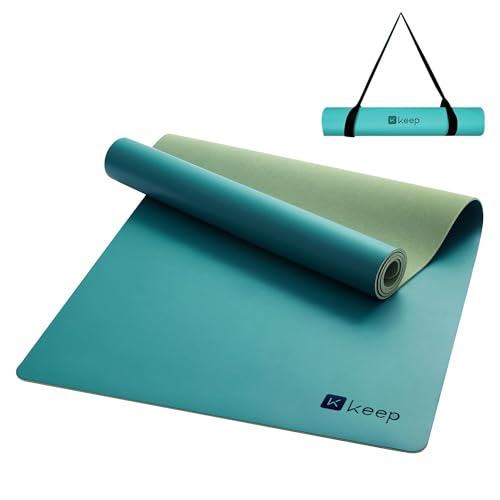
- Sweat-responsive PU layer boosts grip in hot classes
- Heavy natural rubber base helps stop sliding and curling
- 74" x 26" size gives extra room for taller users
Best For: Taller users and hot yoga fans who want extra length and strong grip
Editor’s Pick – JadeYoga Harmony Yoga Mat
If you want natural rubber yoga mats that prioritize grip and a balanced feel, the JadeYoga Harmony is a strong all-around option. At 3/16-inch thick and 24 inches wide, it aims to give you enough cushioning without losing the stable connection many teachers and regular practitioners want.
Best For: Yoga teachers and steady practitioners who want a grippy, balanced natural rubber mat for everyday practice.
Pros:
- Made from natural, open-cell rubber for strong grip and cushioning.
- 24-inch width and 3/16-inch thickness offer a practical balance of comfort and stability.
- Free from PVC, phthalates, heavy metals, and harsh chemicals.
- Made in the USA with imported rubber and designed to be easy to clean.
Cons:
- Hand wash only, so cleaning is less convenient than wipe-clean mats.
- Open-cell construction may require more care to keep fresh.
Overall, this is a dependable choice if you value traction, eco-conscious materials, and a mat that feels built for consistent use rather than occasional workouts.
Eco Comfort Pick – Manduka eKOLite Yoga Mat
The Manduka eKOLite stands out among natural rubber yoga mats if you want a lighter, earth-friendly mat with a textured surface. Its 100% natural tree rubber build and ripple-grip design are aimed at giving you traction and a cleaner-feeling practice in a portable format.
Best For: Yogis who want a lightweight natural rubber mat with textured grip for home practice or smaller spaces.
Pros:
- Made from 100% natural tree rubber with non-toxic materials.
- Textured surface and Rippled Catch-Grip Design help improve control.
- Lighter, portable design is useful for smaller spaces and easier carrying.
- Closed-cell construction helps prevent moisture and buildup.
Cons:
- Care requires a specific rubber-mat restore routine.
- Avoid soaking, sun exposure, soap, hoses, vacuums, and washing machines.
If you want a natural rubber mat that leans lightweight and travel-friendly without giving up a grounded feel, this one is a compelling pick.
Budget Cushion Pick – Gaiam Thick Yoga Mat
This Gaiam mat is a different take on natural rubber yoga mats, using thick NBR foam instead of natural tree rubber. With 10mm cushioning and a soft feel, it focuses on joint comfort and general floor-workout support more than firm, grippy performance.
Best For: Beginners and home exercisers who want extra cushioning for yoga, Pilates, stretching, or floor workouts.
Pros:
- 10mm high-density foam provides plush cushioning for knees, hips, and joints.
- Textured surface helps reduce slipping during dry workouts.
- Lightweight and includes an adjustable carrying strap.
- Easy to wipe clean with a damp cloth.
Cons:
- Not a natural rubber mat; it uses NBR foam instead.
- Soft cushioning favors comfort over firmness and stability.
- Initial foam odor may be noticeable when first opened.
For comfort-first routines on hard floors, this mat makes sense, but buyers specifically seeking natural rubber should look to the other options in this roundup.
Travel Favorite – Manduka eKO SuperLite Yoga Mat
Among natural rubber yoga mats, the Manduka eKO SuperLite is built for portability first. Its 1.5mm thickness, foldable design, and all-natural tree rubber construction make it a practical choice when you need a mat that packs easily and still offers traction.
Best For: Travel yogis who want a foldable, lightweight natural rubber mat for practice anywhere.
Pros:
- Ultra-light 1.5mm profile makes it easy to pack and carry.
- Foldable design is ideal for travel.
- Made from sustainably harvested natural tree rubber.
- Textured orange-peel surface helps provide grip.
Cons:
- Very thin, so it offers limited cushioning.
- Care instructions require special handling and avoidance of soaking or sun exposure.
If portability matters more than padding, this is the kind of mat that earns a spot in your bag without much bulk.
Foldable, Space-Saving Pick – Foldable Yoga Mat for Home Workouts
If you want a practical yoga mat for everyday floor work, this foldable design keeps things simple. It uses POE material rather than natural rubber, but it still offers lightweight cushioning, a non-slip double-textured surface, and easy storage for yoga, Pilates, stretching, and meditation.
Best For: Home workouts, small spaces, and anyone who wants a lightweight mat that folds away fast.
Pros:
- Accordion-fold design makes storage and transport easy.
- Non-slip, double-textured surface helps maintain traction during exercise.
- Lightweight build is convenient for home use and carrying around.
- Non-absorbent surface wipes clean easily after workouts.
Cons:
- Made from POE material, not natural rubber.
- Less aligned with hot-yoga buyers looking for sweat-grip rubber construction.
Overall, this is a solid pick if foldability matters more than premium eco-materials. It is best viewed as a compact, low-fuss workout mat rather than a natural rubber yoga mat replacement.
Wide, Grip-Focused Choice – Extra Wide Natural Rubber Yoga Mat
This natural rubber yoga mat is built for people who want extra room, strong grip, and a surface that handles sweat well. The natural rubber base and PU top layer are designed for hot yoga, Pilates, and home workouts, while the alignment guide adds a helpful structure for practice.
Best For: Hot yoga users, taller practitioners, and anyone who wants a wider mat with reliable sweat grip.
Pros:
- Natural rubber base with PU top layer supports eco-conscious buyers.
- 26.8-inch width gives more space than a standard mat.
- Advanced sweat-absorbing surface improves traction as you practice.
- Built-in alignment lines help with symmetry and posture.
Cons:
- At 3 kg, it is heavier than lightweight travel-friendly mats.
- Requires careful cleaning and should not be machine washed.
- Must be kept out of direct sunlight and extreme heat for storage.
For shoppers comparing natural rubber yoga mats, this one stands out for grip and extra width more than portability. It is a strong choice if you want a stable, sweat-friendly mat for more intense sessions.
Thick Comfort Pick – Natural Rubber and TPE Yoga Mat
If cushioning is your top priority, this natural rubber and TPE yoga mat offers a thick 10mm profile with a grippy reversible surface. It is designed for yoga, Pilates, stretching, and other barefoot floor exercises, giving you more comfort without feeling overly spongy.
Best For: Users who want extra joint support and a reversible mat for mixed home workouts.
Pros:
- 10mm thickness adds substantial cushioning for joints and knees.
- Natural rubber and recyclable TPE construction is eco-conscious.
- Reversible textured surfaces provide versatile grip options.
- Includes a carrying strap for easier transport.
Cons:
- Heavier than thin, minimalist mats at 2.8 kg.
- Natural rubber aroma may need time to fade in ventilation.
- Less travel-friendly than lighter foam-style mats.
This is a good fit if you want the cushioning of a thicker mat while still keeping a secure feel underfoot. Among natural rubber yoga mats, it balances comfort, grip, and portability reasonably well.
Hot Yoga Stability Pick – Professional PU & Natural Rubber Yoga Mat
If you want natural rubber yoga mats that feel steady under pressure, this one is built for grip-heavy sessions and a planted studio feel. The PU top layer is designed to get grippier as you sweat, while the natural rubber base helps keep the mat flat and anchored during fast transitions, hot yoga, and HIIT.
Best For: Hot yoga, Ashtanga, Pilates, and home gym users who want a wider, heavier mat with strong floor grip.
Pros:
- Sweat-absorbing PU top layer offers stronger grip as sessions heat up.
- 5mm thickness balances cushioning and stability for knees and balance poses.
- Extra-wide 72″ x 27″ size gives more room than a standard mat.
- Natural rubber base helps resist sliding, bunching, and edge curl.
Cons:
- At 6.8 lbs, it is heavier than typical portable mats.
- PU material may show temporary sweat marks during intense sessions.
Overall, this is a strong pick if your priority is performance over portability. It suits practitioners who want a durable natural rubber yoga mat with a stable, studio-style feel and extra room to move.
Balanced Comfort Pick – Natural Rubber Yoga Mat, Matte PU Material
Among natural rubber yoga mats, this one aims for a simple mix of comfort, grip, and easy upkeep. Its 5mm thickness adds cushioning for floor work, while the reversible textured design gives you flexibility for yoga, Pilates, stretching, and other barefoot exercises.
Best For: Users who want a comfortable, reversible mat for yoga, Pilates, and general floor exercise.
Pros:
- 5mm thickness provides solid cushioning for knees and joints.
- Reversible textured design supports different workout preferences.
- PU surface is easy to wipe clean after use.
- Natural rubber construction is described as eco-friendly.
Cons:
- Natural rubber has a harmless aroma that may need several days to fade.
- It is not described as lightweight, so it may be less ideal for frequent travel.
This is a practical option if you want a cushioned mat that works well for home routines and mixed training. It is especially appealing for buyers who value easy cleaning and a reversible surface in a natural rubber yoga mat.
Extra-Large Grip Upgrade – KEEP Rubber Yoga Mat
If you are comparing natural rubber yoga mats for hot classes and full-body training, this model leans hard into grip and coverage. The PU surface is designed to hold better as you sweat, while the heavy natural rubber base helps keep the mat flat through Pilates, HIIT, and long practice sessions.
Best For: Taller users and dedicated practitioners who want a longer, heavier mat for hot yoga, Pilates, and HIIT.
Pros:
- Grip improves as you sweat, making it well suited to hot yoga styles.
- 7.7 lb weight and natural rubber base help prevent sliding and curling.
- 74″ x 26″ size gives extra length for broader stances and taller users.
- 5mm construction offers a good balance of support and cushioning.
Cons:
- Heavy-duty build is less portable than lighter workout mats.
- Hand-wash care may be less convenient than faster-cleaning options.
This is a strong choice if you want more surface area and a more planted feel than standard mats provide. For users focused on performance, the extra size and sweat-responsive grip make it stand out in the natural rubber yoga mats category.
How We Picked the Best Natural Rubber Yoga Mats
We focused on Natural Rubber Yoga Mats that balance grip, comfort, durability, and practicality. Material quality, thickness, size, surface texture, portability, and sweat performance all mattered, along with whether a mat suits beginners, home users, or more demanding practices like vinyasa and hot yoga.
Quick Comparison
In general, thinner mats are better for travel and a closer-to-the-floor feel, while thicker options provide more joint comfort for slower sessions or floor work. Wider and extra-long mats can also make a noticeable difference for taller users or anyone who likes more room to move.
Key Buying Factors for Natural Rubber Yoga Mats
Grip and Sweat Performance
If you practice hot yoga or tend to sweat heavily, prioritize a textured or sweat-absorbing surface. A strong grip helps reduce slipping in downward dog, lunges, and fast transitions.
Thickness and Cushioning
Most buyers will want something in the 4mm to 6mm range for a good balance of stability and comfort. Choose thicker mats if your knees, wrists, or elbows need extra support, but remember that too much cushioning can reduce ground feel.
Size and Coverage
Standard-length mats work for many people, but taller users may prefer longer or wider designs. Extra width can be especially helpful in balanced poses and side-to-side movement.
Portability and Storage
Foldable or lightweight mats are better for commuters, travelers, and people with limited storage. Heavier mats usually feel more durable, but they are less convenient to carry.
Material and Construction
Natural Rubber Yoga Mats often provide excellent traction, but many also include PU or TPE layers for added comfort or sweat control. Look for a build that matches your priorities: maximum grip, softer hand feel, or a more eco-conscious design.
Who Should Buy Which Natural Rubber Yoga Mats?
Choose a standard 4mm to 5mm mat if you want an all-around option for regular studio or home practice. Go thicker if joint support is your top priority, and choose a travel mat if portability matters most. If you do hot yoga, look for the strongest sweat handling and a surface designed to stay secure under pressure.
For most people, the best choice comes down to how you practice rather than a single “best” material. The right natural rubber mat should feel stable, comfortable, and sized for the way you move.