
Hard training can leave your legs feeling heavy, tight, and fatigued. The best compression boots for runners use sequential air pressure to support post-run recovery while making it easier to relax at home.
This roundup compares 10 options across wireless convenience, coverage, intensity control, heat, portability, and value, so you can choose a system that fits your training routine.
Best 10 Compression Boots for Runners Picks for 2026
Premium Wireless Pick

- Fully wireless, hose-free design
- Seven intensity levels and five compression zones
- Up to four hours of battery life
Best For: Runners wanting premium portable recovery without hoses
Most Customizable
FIT KING FT-091A Cordless Recovery Boots

- Twelve pressure settings from 40–150 mmHg
- Four independently selectable recovery zones
- Three to four hours of cordless use
Best For: Runners who want detailed pressure and zone adjustments
Best With Heat
Full-Leg Compression Massager With Heat

- Five-chamber sequential full-leg compression
- Three heat settings from 107°F to 129°F
- Six modes and 11 intensity levels
Best For: Runners who want warmth combined with post-run compression
Best Value Features
QUINEAR QN-090A Recovery Boots

- Twelve intensities and three compression modes
- Four selectable zones for targeted recovery
- Two to four hours of cordless use with travel bag
Best For: Runners wanting flexible features in a portable system
Full-Leg Smart Recovery
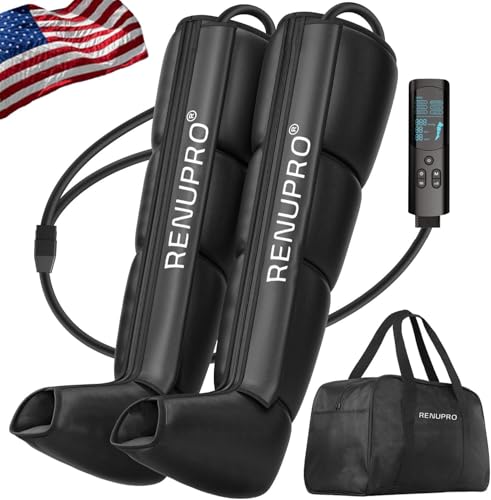
- Full-leg coverage from feet to thighs
- 6 modes and 9 pressure levels
- 24-month warranty and pressure sensors
Best For: Runners wanting highly adjustable full-leg compression
Professional Sequential Massage
QUINEAR Air Compression Recovery Boots

- Four-chamber foot, calf, and thigh coverage
- 8 intensities from 50 to 120 mmHg
- Three modes, timers, and included carry bag
Best For: Runners seeking portable, customizable compression sessions
Fast Inflation for Athletes
FIT KING Full-Leg Compression Boots

- Four-channel full-leg compression
- 8 intensities and 3 massage modes
- Sensor control and 24-month warranty
Best For: Runners wanting quick setup and simple controls
Best Value Leg Recovery

- Foot-and-calf coverage for targeted recovery
- Pressure settings up to 140 mmHg
- Corded digital-controller design
Best For: Runners seeking adjustable foot-and-calf compression at home
Best Full-Leg Coverage
MUSUGY Sequential Compression Boots

- Five chambers cover feet to thighs
- Nine intensity levels and six modes
- Includes timed sessions and pressure balancing
Best For: Runners wanting customizable full-leg recovery at home
Best Wireless Option
Anaconda Wireless Compression Boots

- Up to four hours of cordless use
- Four zones cover foot, calf, knee, and thigh
- Includes travel bag and one-year warranty
Best For: Runners needing portable recovery at the gym or while traveling
Premium Wireless Pick – Hyperice Normatec Elite
For runners who want portable, high-end compression boots for runners, the Hyperice Normatec Elite stands out with a completely wireless design, synchronized leg treatment, and adjustable Pulse compression. It offers seven intensity levels and up to four hours of battery life, depending on settings.
Best For: Runners seeking a streamlined, hose-free recovery system for use at home, the gym, or while traveling.
Pros:
- Fully cordless design makes sessions easier to set up and transport.
- Seven compression levels support customizable recovery sessions.
- Five overlapping zones, ZoneBoost, and HyperSync provide targeted, synchronized treatment.
- Bluetooth app controls pressure, zones, and session length.
Cons:
- Standard sizing is intended for a 31–35-inch inseam and heights of 5 feet 7 inches to 6 feet 4 inches.
- Higher intensity settings can reduce battery life.
- Charging takes about three hours.
The Normatec Elite is a strong choice when portability and refined controls matter most. Its premium feature set makes it especially appealing to frequent runners who want repeatable, customizable sessions without a wired control unit.
Most Customizable – FIT KING FT-091A Cordless Recovery Boots
The FIT KING FT-091A is a versatile option for runners comparing compression boots for runners with extensive controls. Its cordless system uses four air chambers, 12 pressure settings, four zones, three modes, and adjustable session times from 15 to 60 minutes.
Best For: Athletes and households that want detailed control over pressure, timing, and individual leg zones.
Pros:
- Offers 12 pressure settings from 40–150 mmHg.
- Four-zone control covers the foot, lower calf, upper calf, and thigh.
- Three to four hours of cordless use and a carry bag support portability.
- Includes a two-year warranty and easy-clean construction.
Cons:
- Four air chambers provide less zone segmentation than some five-chamber systems.
- The extensive controls may take more time to configure.
- It is not water resistant.
With broad pressure and timing adjustments, the FIT KING is well suited to runners who prefer to fine-tune each session. Its battery and travel bag also make it practical for taking recovery equipment to training or competitions.
Best With Heat – Full-Leg Compression Massager With Heat
For runners who like warmth alongside compression, this full-leg system combines five-chamber sequential air compression with optional heat. It provides 11 intensity levels, six massage modes, and coverage from the feet through the thighs for post-training recovery or everyday leg comfort.
Best For: Runners who want full-leg compression with adjustable heat for cooldowns, tightness, and relaxation.
Pros:
- Five-chamber compression creates a wave-like sequence from feet to thighs.
- Three heat settings range from 107°F to 129°F, with heat that can be turned off.
- Six modes and 11 intensity levels allow flexible session customization.
- Smart pressure sensors help balance compression across different leg shapes.
Cons:
- Heat may not appeal to runners who prefer compression-only recovery.
- The supplied notes do not specify battery life or charging time.
- Full-leg coverage may be more equipment than needed for targeted lower-leg sessions.
This model is a practical pick for runners who value a warming recovery experience. Its five zones and broad adjustment range make it flexible for both post-run sessions and general leg comfort, while the optional heat preserves compression-only versatility.
Best Value Features – QUINEAR QN-090A Recovery Boots
The QUINEAR QN-090A packs extensive controls into a cordless recovery system for runners evaluating compression boots for runners. Its four air chambers cover the full leg, while 12 intensities, three modes, four selectable zones, and a 15- to 60-minute timer support targeted or full-leg sessions.
Best For: Runners seeking a portable, feature-rich system with flexible treatment options and a two-year warranty.
Pros:
- Provides 12 intensity levels from 40–150 mmHg.
- Three modes include sequence, circulation, and combination settings.
- Four-zone control enables full-leg or targeted foot, calf, and thigh sessions.
- Cordless operation lasts two to four hours per charge and includes a travel bag.
Cons:
- Four air chambers offer fewer compression zones than five-chamber designs.
- Battery life varies from two to four hours depending on use.
- The supplied size information is limited to the Medium model listing.
The QUINEAR is a compelling all-around option for runners who want many settings without a wired setup. Its targeted zones, timer, and multiple modes make it adaptable for both focused recovery and full-leg relaxation.
Full-Leg Smart Recovery – RENUPRO Air Compression Boots
For runners comparing compression boots for runners, the RENUPRO Dynamic Air Compression Boots provide full-leg coverage from the feet through the thighs. Their overlapping air chambers, sensor-guided pressure, multiple modes, and adjustable timers make them a versatile option for post-run recovery and tired legs.
Best For: Runners who want full-leg sequential compression with extensive pressure and session adjustments.
Pros:
- Covers the feet, calves, knees, and thighs in one session.
- Offers 6 modes, 9 strength levels, and 15-, 20-, or 25-minute timers.
- Smart pressure sensors and overlapping chambers support a sequential compression experience.
- Includes a 24-month warranty from a USA-owned brand.
Cons:
- The standard fit is limited to a 29- to 34-inch inseam and a maximum 30-inch thigh circumference.
- It is corded and not water resistant.
RENUPRO stands out for its broad adjustment range and full-leg design. Check the stated dimensions carefully before buying, especially if your leg measurements fall outside the standard size.
Professional Sequential Massage – QUINEAR Air Compression Recovery Boots
The QUINEAR Air Compression Recovery System is a practical choice for runners seeking compression boots for runners with sequential massage modes and a broad intensity range. Four air chambers target the foot, calf, and thigh, while the pressure sensor is designed to adjust compression for different leg sizes.
Best For: Athletes and runners who want multiple massage modes, adjustable intensity, and a portable recovery setup.
Pros:
- Uses four air chambers for sequential foot, calf, and thigh compression.
- Provides 8 intensity levels from 50 to 120 mmHg.
- Includes sequence, circulation, and combination modes with 20-, 25-, and 30-minute timers.
- Comes with a carry bag and 24-month support coverage.
Cons:
- The large model may not suit runners who need a smaller fit.
- It is corded, has no heat settings, and is not water resistant.
QUINEAR offers a strong balance of adjustability and portability for regular post-run use. Its three longer timer options may appeal to runners who prefer sessions lasting up to 30 minutes.
Fast Inflation for Athletes – FIT KING Full-Leg Compression Boots
FIT KING’s Air Compression Recovery System is designed for runners who want compression boots for runners with straightforward digital controls and full-leg coverage. Four independent air channels cover the feet, calves, knees, and thighs, while the large-capacity pump is intended to inflate and deflate quickly.
Best For: Athletes and runners prioritizing fast inflation, sensor-controlled pressure, and simple session customization.
Pros:
- Provides full-leg compression through four independent air channels.
- Offers 3 modes, 8 pressure intensities, and three selectable treatment times.
- Sensor control adjusts inflation volume for different leg sizes.
- Includes a 24-month warranty and customer support.
Cons:
- The medium size may not fit every runner comfortably.
- It is corded and not water resistant.
FIT KING is a sensible option for runners who value uncomplicated controls and rapid setup. Confirm that the medium sizing works for you before ordering, since the supplied information does not list a broader fit range.
Best Value Leg Recovery – QUINEAR Compression Boots
For runners seeking compression boots for runners without paying for a full-leg system, the QUINEAR focuses on the feet and calves. Its corded design offers adjustable pressure, multiple massage programs, and a zipper sleeve intended to accommodate different calf sizes.
Best For: Runners who want targeted foot-and-calf recovery, adjustable pressure, and a home-use system for leg fatigue or circulation support.
Pros:
- Offers pressure settings ranging up to 140 mmHg.
- Includes three air-compression channels, three massage modes, and multiple programs.
- Digital controller displays the massage location and pressure.
- Zippered sleeves are designed for easier fitting and cleaning.
Cons:
- Only targets the feet and calves, not the thighs.
- The corded design limits portability compared with battery-powered boots.
- It is not water resistant.
The QUINEAR is a practical choice when your running recovery routine centers on tired feet and calves. Its broad pressure range and focused coverage make it versatile, though runners wanting wireless, full-leg treatment should look elsewhere.
Best Full-Leg Coverage – MUSUGY Sequential Compression Boots
These compression boots for runners use five sequential air chambers to cover the feet, calves, knees, and thighs. The MUSUGY system combines automatic pressure balancing with multiple intensity levels, modes, and timed sessions for customizable post-run recovery.
Best For: Runners who want full-leg sequential compression with dedicated foot, calf, thigh, and full-leg settings.
Pros:
- Five chambers provide coverage from the feet through the thighs.
- Nine pressure levels range from 40 to 120 mmHg.
- Six modes include full-leg sequences and targeted zone programs.
- Three session timers and a memory function support convenient routines.
Cons:
- The stated fit requires an inseam of at least 36 inches.
- Thigh and calf circumference limits may exclude some users.
- The supplied notes do not identify it as cordless or battery powered.
The MUSUGY stands out for runners who prefer comprehensive leg coverage and precise session controls. Check the fit measurements carefully before buying, especially if you are shorter or have larger thighs or calves.
Best Wireless Option – Anaconda Wireless Compression Boots
For runners who want compression boots for runners that are easy to use away from an outlet, the Anaconda provides wireless operation with a rechargeable battery. It covers four leg zones and offers full-leg, massage, and targeted-zone modes in a portable kit.
Best For: Athletes and runners who prioritize cordless recovery at home, in the gym, or while traveling.
Pros:
- Rechargeable battery provides up to four hours of use.
- Four zones target the foot, calf, knee, and thigh.
- Three modes include full-leg, wave-like massage, and targeted-zone control.
- Includes a travel bag and a one-year manufacturer warranty.
Cons:
- The medium size may not suit every leg measurement.
- It has fewer listed modes and zones than some competing systems.
- A full recharge takes four hours.
The Anaconda is the most convenient option here for runners who dislike being tethered to a wall outlet. Its wireless design and travel bag suit mobile recovery, while four-zone coverage supports more than just calf treatment.
How We Picked the Best Compression Boots for Runners
We focused on the features that matter most after long runs, speed sessions, races, and high-volume training. The comparison considers compression-zone coverage, intensity settings, massage modes, fit, portability, battery operation, heat functions, controls, and overall practicality.
We also separated premium systems from more affordable alternatives. A higher price may provide better wireless usability, simpler controls, or more refined construction, but a budget model can still be useful if it fits securely and delivers consistent sequential compression.
Quick Comparison
| Best For | Look For | Most Important Advantage |
|---|---|---|
| Frequent runners | Durable boots and adjustable pressure | Reliable use after regular training |
| Travel and race weekends | Wireless controls and rechargeable battery | Recovery without a wall outlet |
| Full-leg coverage | Boots extending from feet to upper legs | More complete treatment area |
| Cold or uncomfortable legs | Integrated heat settings | Added warmth during sessions |
| Value shoppers | Multiple pressure levels and zones | Useful functionality at a lower cost |
Key Buying Factors for Compression Boots for Runners
Compression Zones and Coverage
Sequential systems inflate separate chambers from the foot upward, creating a massage-like pressure pattern. Check whether the boots cover only the lower legs or extend through the thighs. Full-leg coverage may suit runners who experience fatigue throughout the legs, while shorter designs can be easier to put on and transport.
Pressure Range and Customization
More intensity levels let you adjust sessions for different situations. Lower settings may be preferable after an easy run or when you are new to compression, while higher settings can provide a firmer massage sensation. Avoid assuming the highest setting is the most effective; comfort and consistency matter more.
Wireless Operation, Battery, and Controls
Wireless boots are convenient for moving around or recovering while traveling, but battery life and charging time affect their usefulness. Compare whether the controller is integrated, detachable, or shared between both legs, and make sure the buttons or display are easy to operate.
Fit, Sizing, and Comfort
Measure your legs according to the manufacturer’s instructions before ordering. Boots that are too loose may provide uneven pressure, while overly tight boots can feel uncomfortable. Look for adjustable closures, breathable materials, and enough room to wear the system without restricting normal movement.
Heat and Safety Considerations
Heat can make a session feel more relaxing, but it is not essential for effective compression. Follow the manufacturer’s time and intensity recommendations, and consult a healthcare professional before use if you have circulation disorders, a history of blood clots, unexplained leg swelling, or another relevant medical condition.
Who Should Buy Which Compression Boots for Runners?
Choose a premium wireless system if you want the simplest experience and plan to use your boots frequently. A full-leg model is a better match for runners who want coverage from the feet through the thighs. Pick a heated model if warmth is a priority and the feature can be used independently of compression.
For most budget-conscious runners, a system with several intensity levels, sequential zones, and a secure adjustable fit offers the best balance. If portability is secondary to coverage, corded boots may provide strong value; if you travel often, prioritize battery operation and a compact carrying setup.