
Finding the best posture corrector for seniors means balancing gentle support with comfort, easy adjustment, and freedom of movement. A brace should encourage better upper-body alignment without creating pressure or discomfort.
We compare 10 adjustable options for different needs, including shoulder support, upper-back alignment, lumbar coverage, breathable materials, and discreet everyday wear.
Best 10 Posture Corrector for Seniors Picks for 2026
Full-Back Senior Support
Adjustable Dynamic Traction Brace

- Supports upper, middle, and lower back
- Wide adjustable lumbar belt
- Lightweight and breathable for daily wear
Best For: Seniors wanting comprehensive back support
Spine-Conforming Comfort
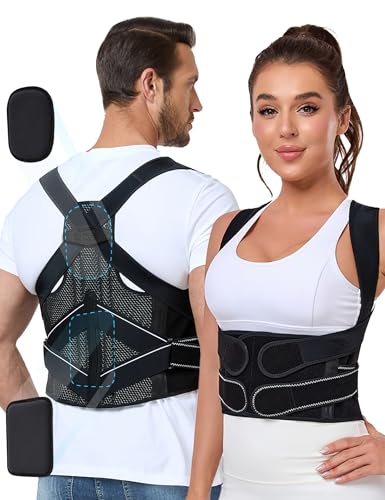
- Dual 3D pads support natural spinal alignment
- Bamboo lining and mesh improve breathability
- Size-specific design supports a tailored fit
Best For: Adults seeking structured, breathable posture support
Everyday Rod Support

- Five flexible rods reinforce the back
- Breathable mesh supports daily comfort
- Adjustable and designed to reduce armpit pressure
Best For: Daily wearers wanting reinforced but flexible support
Full-Back Support Pick
Adjustable Lumbar Posture Corrector

- Full-back, waist, and shoulder support
- Breathable mesh with removable support strip
- Includes storage bag and adjustable straps
Best For: Seniors wanting customizable full-back and lumbar support
Comfort-Focused Pick
ComfyBrace Adjustable Back Straightener

- Soft, breathable, low-profile construction
- Fits chest sizes 30 to 43 inches
- Includes lifetime warranty
Best For: Seniors seeking gradual, discreet posture training
Gentle Training Pick
Fit Geno Fiberglass-Supported Brace

- Four lightweight fiberglass support stays
- Breathable, low-profile mesh design
- Adjustable shoulder and waist support
Best For: Seniors wanting flexible upper-back support during daily activities
Best for Structured Lower-Back Support

- Lumbar panel, four support stays, and removable pad
- Adjustable fit with anti-slip strips
- Breathable fabric with perforated shoulder straps
Best For: Adults seeking substantial lumbar and whole-back support
Best for Discreet Daily Wear

- Slim design fits under shirts
- Padded, breathable straps reduce rubbing
- Adjustable 25–55-inch chest range
Best For: Daily upper-back and shoulder support under clothing
Best for Lightweight Shoulder Guidance

- Thin, breathable elastic construction
- Shoulder-wrap design encourages open shoulders
- Suitable for work, driving, walking, and home use
Best For: Light upper-back support for mild slouching
Full-Back Senior Support – Adjustable Dynamic Traction Brace
For shoppers comparing a posture corrector for seniors, this full-back brace stands out for its coverage of the upper back, mid-back, and lumbar area. Its adjustable design is intended to provide support during everyday activities such as walking, gardening, housework, and extended sitting.
Best For: Seniors seeking broad upper- and lower-back support for daily activities.
Pros:
- Full-back coverage supports the upper, middle, and lower back.
- Extra-wide waist belt provides adjustable lumbar support.
- Breathable, lightweight construction allows movement during daily tasks.
Cons:
- Hand-wash-only care may be less convenient.
- The large size may require careful measurement before ordering.
This is a practical choice when lumbar stability and extensive back coverage matter more than a minimal, low-profile design. Fully adjustable straps help customize the fit, but users should follow the sizing information closely.
Spine-Conforming Comfort – Bionic System Back Brace
This posture corrector for seniors uses a spine-conforming design with dual 3D pads to guide the back toward a more natural alignment. Bamboo-fiber lining and hexagonal mesh add breathability for walking, office use, casual exercise, or daily wear.
Best For: Adults who want breathable, structured support with a size-specific fit.
Pros:
- Bionic design follows the spine’s natural curve.
- Bamboo fiber and mesh construction help manage heat and moisture.
- Available in size-specific designs for different body types.
Cons:
- The listed L size fits a 40–46-inch waist, so sizing options should be checked.
- Lace-up closure may take more time to adjust than simpler designs.
Its combination of structured alignment support and breathable materials makes it a well-rounded option for seniors who remain active or spend long periods sitting. The fit is especially important because the design uses different heights for each size.
Everyday Rod Support – 5X Enhanced Back Brace
For those evaluating a posture corrector for seniors for regular use, this brace combines five flexible ABS support rods with adjustable shoulder straps. Its breathable mesh construction is designed for work, exercise, rest, and recovery support while helping encourage a more natural posture.
Best For: Daily wearers who want reinforced back support without a bulky feel.
Pros:
- Five flexible support rods provide stable full-back support.
- Adjustable, armpit-friendly shoulder design helps improve wearing comfort.
- Lightweight mesh is breathable, quick-drying, and discreet under clothing.
Cons:
- The product notes mention a temporary odor from sealed packaging.
- Strap adjustment may require following the wearing guidance.
- Users between sizes may need to choose the larger option.
This brace is suited to shoppers prioritizing practical daily wear and stronger structural support. Its suggested gradual-use approach—starting with one to two hours per day—may help users adapt comfortably.
Low-Profile Upper-Back Support – Adjustable Clavicle Brace
This upper-back option is a compact posture corrector for seniors who prefer support that can be worn discreetly under clothing. Adjustable shoulder and clavicle support is designed for use at work, during exercise or yoga, and while relaxing.
Best For: Adults seeking discreet upper-back, shoulder, and clavicle support.
Pros:
- Low-profile design is intended to remain invisible under clothes.
- Adjustable fit accommodates chest sizes from 28 to 43 inches.
- Targets upper-back alignment along with neck, shoulder, and clavicle support.
Cons:
- It focuses on upper-back support rather than full lumbar coverage.
- The notes do not specify a detailed care routine or closure type.
This brace makes sense for seniors and other adults who want a simple, discreet aid for posture awareness during everyday activities. Those needing substantial lower-back stabilization may prefer a full-back model instead.
Full-Back Support Pick – Adjustable Lumbar Posture Corrector
If you want a posture corrector for seniors with broader coverage, this full-back brace combines shoulder, back, and waist support. Its adjustable straps, breathable mesh, and removable support strip make it a practical option for users who want customizable support during everyday activities.
Best For: Seniors seeking adjustable full-back and lumbar support with breathable materials and a storage pouch.
Pros:
- Provides 3-in-1 support for the back, chest, and shoulders.
- Breathable mesh helps reduce stuffiness during wear.
- Removable support strip allows pressure adjustment and easier cleaning.
- Includes a storage bag for small personal items.
Cons:
- Requires waist measurement at the navel to select the right size.
- Hand-wash care may require extra maintenance.
- The full-back design may feel more substantial than a simple shoulder brace.
This is a strong choice when lumbar coverage and adjustability matter more than a minimal design. Seniors should follow the sizing chart and begin with a comfortable level of tension.
Comfort-Focused Pick – ComfyBrace Adjustable Back Straightener
For seniors who prefer a simpler posture corrector for seniors, the ComfyBrace emphasizes soft, breathable construction and gradual wear. It is designed for chest sizes from 30 to 43 inches and can be worn under clothing for daily posture training.
Best For: Seniors who want a lightweight, low-profile brace for gradual posture practice and everyday wear.
Pros:
- Adjustable design fits stated chest sizes from 30 to 43 inches.
- Breathable, soft material is designed for comfort under clothing.
- Gradual-use guidance supports starting at 5 to 10 minutes per day.
- Includes a lifetime warranty.
Cons:
- Provides upper-back support rather than the broader full-back coverage of some braces.
- Hand-wash care is required.
- It is intended to improve posture and is not a substitute for medical treatment.
The ComfyBrace stands out for users who value comfort and a discreet profile. Its gradual break-in approach may be especially useful for seniors who are new to posture braces.
Gentle Training Pick – Fit Geno Fiberglass-Supported Brace
The Fit Geno is a practical posture corrector for seniors who want gentle guidance rather than rigid immobilization. Four lightweight fiberglass stays stabilize the upper back, while breathable mesh, removable supports, and adjustable shoulder and waist straps support longer daily use.
Best For: Seniors needing flexible upper-back support for sitting, standing, driving, walking, or light daily activities.
Pros:
- Four fiberglass stays provide stable support while allowing natural movement.
- Breathable mesh helps limit heat buildup.
- Shoulder and waist adjustments allow a personalized fit.
- Support rods are removable, and the product is listed as FSA/HSA eligible.
Cons:
- Listed in a medium size, so careful size selection is important.
- Hand-wash care is required.
- Designed for posture training and support, not rigid immobilization.
This model is well suited to seniors who want a balanced combination of structure and mobility. Starting with short sessions and gradually increasing wear time follows the product’s intended approach.
Best for Structured Lower-Back Support – Spine Alignment Back Brace
For shoppers seeking a posture corrector for seniors with substantial lower-back support, this brace combines a lumbar panel, four aluminum support stays, and a removable 3D lumbar pad. Its adjustable design and breathable knitted fabric may suit walking or seated use, although the structured build is more substantial than a simple shoulder brace.
Best For: Adults who want adjustable whole-back support, lumbar stabilization, and posture correction related to lower-back discomfort or scoliosis.
Pros:
- Combines a lumbar panel, four support stays, and a detachable lumbar pad.
- Adjustable straps and anti-slip strips help maintain a secure fit.
- Breathable 3D knitted fabric and perforated shoulder straps support comfort during wear.
- Includes a gift box, removable pad, and user manual.
Cons:
- The medium size is limited to a 32–40-inch waist.
- At 1.1 pounds, it is heavier and more structured than lightweight upper-back correctors.
- Hand washing is required.
This is the most supportive-looking option in the group for users who want lumbar as well as posture assistance. Confirm the waist measurement and consider medical guidance for scoliosis or persistent pain.
Best for Discreet Daily Wear – Figure-8 Upper-Back Corrector
This figure-8 brace is a practical posture corrector for seniors who want gentle upper-back and shoulder guidance under everyday clothing. Its breathable, padded straps are designed for reduced rubbing, while the low-profile shape suits desk work, driving, or routine activities.
Best For: Adults who need discreet support for rounded shoulders, slouching, and upper-back tension during work or daily wear.
Pros:
- Figure-8 design gently draws the shoulders back.
- Soft, breathable, padded straps are designed to reduce underarm and shoulder pressure.
- Low-profile construction can be worn under shirts and work clothes.
- Adjustable unisex chest fit accommodates 25–55 inches.
Cons:
- It focuses on upper-back and shoulder support rather than dedicated lumbar stabilization.
- The product is intended for gradual wear, beginning with 15–30 minutes per day.
- Hand washing is required.
Choose this model if comfort, adjustability, and discretion matter more than rigid lower-back support. Its gradual-wear guidance makes it suitable for building a consistent posture routine.
Best for Lightweight Shoulder Guidance – Adjustable Clavicle Support
For seniors looking for a lightweight posture corrector for seniors, this upper-back brace uses soft, breathable elastic fabric and a shoulder-wrap design to encourage more open shoulders. Its small/medium sizing and 1–2-hour daily wear recommendation make it better suited to gradual posture training than all-day rigid support.
Best For: Adults with mild slouching or rounded shoulders who want a thin, adjustable brace for work, home, driving, walking, or light activity.
Pros:
- Lightweight, ultra-thin, breathable fabric is designed for comfortable wear.
- Shoulder-wrap construction provides clavicle and upper-back guidance.
- Can be worn discreetly under clothing or visibly over it.
- Suitable for multiple everyday settings, including work, driving, and walking.
Cons:
- The listed S/M size may not suit larger frames.
- It is intended for upper-back posture correction rather than lumbar support.
- The product recommends limiting initial use to 1–2 hours daily.
This is a sensible choice for users who prioritize a light, unobtrusive design and gradual habit-building. Check the sizing carefully, and seek professional advice for significant pain or posture conditions.
How We Picked the Best Posture Corrector for Seniors
We focused on features that matter most for older adults: straightforward adjustment, comfortable materials, stable support, and designs that can be worn under or over clothing. The selection includes figure-eight shoulder braces, upper-back correctors, and fuller back-support styles so shoppers can match the brace to their posture goals.
We also considered whether each design is likely to be practical for daily routines. Wide, padded straps can reduce rubbing, while breathable fabrics may be more comfortable during extended use. Adjustable closures are especially important because fit can change with clothing layers and personal comfort preferences.
A posture brace is not a substitute for medical evaluation. Anyone with significant pain, numbness, weakness, recent surgery, or a diagnosed spine or shoulder condition should ask a healthcare professional before using one.
Quick Comparison
| Need | Best design to consider | What to look for |
|---|---|---|
| Gentle shoulder guidance | Figure-eight or upper-back brace | Soft straps, light compression, easy adjustment |
| More structured alignment | Brace with vertical or dual support panels | Stable construction without painful pressure |
| Upper- and lower-back coverage | Full-back or lumbar-support design | Broad support area and secure waist adjustment |
| Warm-weather wear | Breathable lightweight model | Ventilated fabric and moisture management |
Key Buying Factors for a Posture Corrector for Seniors
Fit and Adjustability
Measure according to the manufacturer’s instructions rather than choosing by age or clothing size alone. Look for easy-pull straps, hook-and-loop closures, and enough adjustment range to fit over a thin shirt. The brace should feel supportive, not restrictive.
Comfort and Skin Protection
Padding, smooth edges, and breathable fabric can make a major difference. Older skin may be more sensitive, so check regularly for redness, chafing, or pressure points. Begin with short sessions and increase wear time only if the brace remains comfortable.
Support Level and Coverage
Light upper-back support may be sufficient for rounded shoulders or posture reminders. A fuller design may be preferable when the lower back also needs support, but it can feel warmer and more noticeable under clothing. Avoid assuming that firmer support is automatically better.
Ease of Use
Choose a design that can be put on, removed, and adjusted without excessive reaching or hand strength. If mobility is limited, a simpler brace with front-facing closures may be easier than a complicated multi-strap system.
Who Should Buy Which Posture Corrector for Seniors?
Choose a lightweight figure-eight or upper-back corrector if the main goal is a gentle reminder to draw the shoulders back. Consider a padded model with more structured panels if you want stronger guidance during sitting or standing. For combined upper- and lower-back support, look for a full-back design with a comfortable waist section.
If heat and sweat are concerns, prioritize breathable materials and a low-profile shape. If the brace will be worn occasionally for desk work, walking, or household tasks, focus on easy adjustment and discreet construction. Whichever style you choose, it should support more comfortable posture—not force the body into an unnatural position.