
Yoga inversion stools can make upside-down practice feel more approachable, especially if you want support for headstands, core work, or gentle decompression.
In this roundup, we focus on stability, comfort, weight capacity, and everyday usability so you can choose a model that fits your space and experience level.
Best 10 Yoga Inversion Stools Picks for 2026
Best for Safer Inversions
FeetUp Original Yoga Headstand Bench

- Reduces neck and spine pressure during inversions
- Stable bench design helps limit wobbling
- Portable, eco-conscious build with vegan leather and beech wood
Best For: Beginners and intermediate yogis who want a safer, more supported inversion trainer.
Best for Beginners
Restrial Life Yoga Inversion Bench

- Stable wood frame with non-slip pads
- Thick cushion eases neck and shoulder pressure
- Step-by-step setup is beginner friendly
Best For: Newer yoga users who want a supported, confidence-building inversion trainer.
Best for Extra Stability
SISYAMA Wide Yoga Headstand Bench

- Longer, wider frame for a steadier feel
- Handles help with control and positioning
- Good for inversions, handstands, and stretching
Best For: Beginners or home practitioners who want a wider, more confidence-building inversion bench.
Best for Stability

- 400 lb capacity with a wide U-shaped frame
- Double armrests support alignment and comfort
- Thick non-slip pad improves security in inversions
Best For: Users who want a stable, cushioned inversion bench for headstands, stretching, and light home workouts.
Best for Easy Setup
Yoga Headstand Bench with Wood Frame
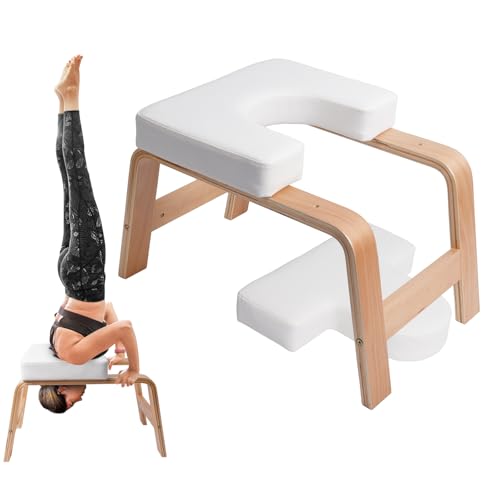
- 300-lb load capacity with a wide, non-slip base
- 2.5-inch PU cushion for comfort and easy cleanup
- Compact design for home, office, or studio use
Best For: Beginners and cautious users who want a stable inversion stool for safer headstands and stretch work.
Best for Easy Inversions
BODY RHYTHM Yoga Headstand Bench

- Less neck and shoulder pressure than floor-based inversions
- Sturdy birch wood frame with a 440-lb capacity
- Works for headstands, shoulderstands, and training poses
Best For: Beginners and home yogis who want a more supported inversion bench.
Best for Comfort
Yoga Headstand Bench, Stand Yoga Chair

- Stable inversion support for beginners
- Thick padded cushion and beech wood frame
- Multi-use design for yoga and everyday seating
Best For: Beginners and home yogis who want a safer, steadier inversion bench.
Best with Extra Features
BODY RHYTHM Yoga Headstand Bench

- Bench-style design makes inversion practice feel more approachable
- Birch wood frame with a stable trapezoid base
- Supports headstands, shoulderstands, and flexibility work
Best For: Beginners who want a steadier, easier way to try inversion poses at home.
Best for Easy Inversion
Yoga Headstand Bench, Stand Yoga Chair

- Sturdy beech wood frame with padded cushion
- Detachable support adds versatility for different poses
- Useful as an inversion trainer or everyday footstool
Best For: Beginners and home yogis who want safer, more stable inversion practice.
Best for Safe Inversions
BODY RHYTHM Yoga Headstand Bench

- Reduces pressure on the neck, arms, and shoulders
- Birch wood frame with a stable 440 lb-capacity base
- Works for inversions, balance drills, and stretch training
Best For: Beginners and home yogis who want a steadier inversion trainer.
Best for Safer Inversions – FeetUp Original Yoga Headstand Bench
If you want one of the more confidence-building yoga inversion stools, the FeetUp Original is designed to take pressure off your neck and spine while helping you work toward steadier headstands and handstand progressions. It’s a practical pick for home practice, travel, and anyone who wants a more supported way to explore inversions.
Best For: Beginners and intermediate yogis who want a safer, more supported inversion trainer for headstands, handstand drills, and strength-building practice.
Pros:
- Supports inverted poses with less strain on the neck and spine
- Stable bench-style design helps reduce wobble during practice
- Portable enough for use at home, in the office, or on the go
- Made with vegan leather and beech wood for a more eco-conscious build
Cons:
- More expensive than basic inversion stools
- Takes a little space compared with simpler yoga props
- Not a substitute for learning proper form and control
Overall, the FeetUp stands out among yoga inversion stools because it focuses on safety, stability, and versatility rather than just novelty. If you want a tool that can make inversion practice feel more approachable, this is an easy one to shortlist.
Best for Beginners – Restrial Life Yoga Inversion Bench
If you want a guided way to try inversions, this Restrial Life option stands out among yoga inversion stools for its cushioned support, stable wood frame, and beginner-friendly setup. It’s designed to make headstands feel more approachable while still giving you a solid platform for home or gym use.
Best For: Beginners who want a more confident, supported way to practice headstands and core-focused inversions.
Pros:
- Stable wood frame supports up to 300 lbs with non-slip pads for added security.
- 2.5-inch cushion helps reduce pressure on the neck and shoulders during inversions.
- Beginner-friendly instructions make it easier to learn headstands step by step.
- Detachable block adds extra versatility for other yoga poses.
Cons:
- Bulkier than simple yoga props, so it needs dedicated storage space.
- Not as portable as lightweight inversion aids or straps.
For shoppers comparing yoga inversion stools, this bench is a practical pick if comfort, stability, and learning support matter more than compactness. It’s especially appealing for newer users who want a safer-feeling entry point into inversion work.
Best for Extra Stability – SISYAMA Wide Yoga Headstand Bench
If you want yoga inversion stools that feel a little more substantial under you, this SISYAMA model is built around a longer, wider frame with handles for added control. It’s a straightforward pick for home inversion practice, stretching, and supported headstand work when you want more contact area and a steadier setup.
Best For: Beginners and casual users who want a wider inversion bench with extra hand support for more confidence during practice.
Pros:
- Longer and wider design can feel more stable than compact inversion stools
- Handles add leverage and help with positioning
- Useful for headstands, handstand drills, and stretching routines
Cons:
- Bulkier footprint may take up more storage space
- Not the simplest option if you want a very minimal inversion aid
Overall, this is a practical choice for shoppers comparing yoga inversion stools and prioritizing a roomier feel over portability. The added width and handles make it a more confidence-friendly option for steady at-home inversions.
Best for Stability – KBQ Yoga Headstand Bench
If you want yoga inversion stools that feel steady and beginner-friendly, this KBQ headstand bench stands out for its 400 lb capacity, wide U-shaped base, and cushioned double armrests. It’s built to make inversion practice feel more controlled, while still being useful for stretching, dips, and light home fitness work.
Best For: Practitioners who want a stable, multi-use inversion stool with extra support for headstands, inversions, and everyday mobility work.
Pros:
- 400 lb weight capacity with a wide U-shaped frame for added stability
- Double armrests help support alignment and reduce pressure during inversions
- Thick, non-slip cushion adds comfort and makes it easier to hold poses
- Compact enough for home gyms, apartments, or small workout spaces
Cons:
- Not as portable as a fold-flat inversion prop
- Best suited to controlled practice rather than dynamic movement drills
- Bulkier than simpler yoga inversion stools with minimal padding
Overall, this is a solid choice if stability matters most and you want yoga inversion stools that can handle both practice and light utility use. The support-focused design makes it appealing for cautious users, especially those who value comfort and confidence over a minimalist footprint.
Best for Easy Setup – Yoga Headstand Bench with Wood Frame
If you want yoga inversion stools that feel steadier than a basic balance prop, this headstand bench is built around a wide base, non-slip feet, and a 300-pound capacity. The padded top and compact footprint make it a practical pick for home practice, stretch breaks at the office, or beginner-friendly inversion work.
Best For: Beginners and cautious users who want a stable inversion stool for safer headstands, shoulder opening, and everyday stretch routines.
Pros:
- Trapezoidal wood frame and non-slip base help reduce wobble during inversion.
- 2.5-inch PU cushion adds comfort and is easy to wipe clean.
- Compact size works well in small home studios or multi-use spaces.
- Supports multiple poses beyond headstands, including meditation and stretching.
Cons:
- Assembly is required before first use.
- Not the most portable option if you need to move it often.
Overall, this is a solid choice if safety and support matter more than ultra-light portability. Among yoga inversion stools, it stands out for its sturdy frame, cushioned contact points, and beginner-friendly design.
Best for Easy Inversions – BODY RHYTHM Yoga Headstand Bench
If you want a more approachable way to practice inversions, these yoga inversion stools make headstands feel less intimidating by shifting weight away from the neck and shoulders. The BODY RHYTHM bench is designed for home workouts, balance work, and slower strength-focused yoga routines, with a stable frame that suits beginners and regular practitioners alike.
Best For: Beginners or cautious yoga users who want a safer, more supported way to practice headstands and shoulderstand variations at home.
Pros:
- Supports inversion practice with less pressure on the neck, arms, and shoulders
- Sturdy birch wood build and trapezoid base for added stability
- Rated to hold up to 440 pounds
- Useful for a range of poses, balance drills, and strength training
Cons:
- Bulkier than a simple yoga prop, so it takes more storage space
- Not ideal if you want a compact travel-friendly inversion tool
- Requires some practice to use comfortably at first
Overall, this is a practical pick if you want yoga inversion stools that feel stable and beginner-friendly without sacrificing versatility. It is especially appealing for home users who want one tool for headstands, supported stretches, and low-impact core work.
Best for Comfort – Yoga Headstand Bench, Stand Yoga Chair
If you want a steadier way to practice inversions, this yoga inversion stool gives you a supportive setup for headstands, shoulderstand work, and core training without relying on balance alone. The padded bench and beech wood frame make it a practical choice for home users who want more confidence during upside-down poses.
Best For: Beginners and at-home yogis who want a safer, more stable way to practice inversions, stretch, and build core strength.
Pros:
- Helps reduce neck and spine pressure compared with unsupported headstands
- Sturdy beech wood frame with thick cushioned support for comfort
- Works for multiple poses and doubles as a footstool or shoe-changing stool
Cons:
- Requires some floor space, so it is not the most compact option
- Less versatile than a full yoga prop set for advanced practice
For shoppers comparing yoga inversion stools, this model stands out for its beginner-friendly design, stable build, and multi-use value. It is a solid pick if you want a simple inversion aid that also supports stretching and everyday home use.
Best with Extra Features – BODY RHYTHM Yoga Headstand Bench
If you want yoga inversion stools that make upside-down practice feel less intimidating, this BODY RHYTHM headstand bench is a practical place to start. Its bench-style design helps reduce pressure on the neck, arms, and shoulders, while the sturdy frame and wide base add confidence for home practice, fitness routines, and mobility work.
Best For: Beginners and casual yogis who want a safer-feeling way to practice headstands, shoulderstands, and simple inversion poses at home.
Pros:
- Bench-style inversion design helps make headstands easier to approach
- Birch wood frame and trapezoid base support up to 440 lb
- Useful for stretching, balance work, and a variety of yoga poses
Cons:
- Not as compact as a simple yoga prop or folding accessory
- Learning curve still exists for users new to inversion practice
For buyers comparing yoga inversion stools, this model stands out for its beginner-friendly feel and solid construction more than flashy extras. It’s a sensible pick if you want a stable inversion tool that supports regular practice without overcomplicating the setup.
Best for Easy Inversion – Yoga Headstand Bench, Stand Yoga Chair
If you want a more controlled way to practice inversions, this yoga inversion stool offers a steadier setup than balancing into a free-standing headstand. The beech wood frame, padded cushion, and detachable support make it a practical option for home practice, especially if you want to reduce strain while exploring upside-down poses.
Best For: Beginners and home yogis who want safer inversion practice, added stability, and a versatile bench for stretching and balance work.
Pros:
- Helps make headstands and inversion practice feel more stable and approachable
- Thick padded cushion and sturdy wood frame improve comfort and support
- Works for multiple poses and can double as a footstool or shoe-changing stool
Cons:
- Requires assembly before use
- Bulkier than a simple yoga prop, so it takes more storage space
Overall, this is a solid pick if you want yoga inversion stools that emphasize safety, versatility, and easy at-home use. It’s less about advanced performance and more about giving you a dependable way to build confidence in inversions and related stretches.
Best for Safe Inversions – BODY RHYTHM Yoga Headstand Bench
If you want an easier way to practice inversions, this BODY RHYTHM option stands out among yoga inversion stools for its stable wooden frame and reduced neck pressure. It’s designed to help beginners and casual home users get comfortable going upside down while still supporting broader yoga and strength work.
Best For: Beginners, home yogis, and anyone who wants a safer-feeling headstand trainer for regular practice.
Pros:
- Helps reduce strain on the neck, arms, and shoulders during inversions
- Sturdy birch wood build with a trapezoid base rated up to 440 lb
- Useful for more than headstands, including planks, bends, and balance work
- Good fit for home workouts, flexibility training, and relaxation routines
Cons:
- Requires enough space to use safely indoors
- Not as portable or adjustable as simpler inversion aids
For buyers comparing yoga inversion stools, this is a practical pick if stability, confidence, and versatility matter more than compactness. It’s especially appealing if you want one tool that can support inversion practice and a wider range of yoga poses.
How We Picked the Best Yoga Inversion Stools
For this roundup, we looked for Yoga Inversion Stools that balance support, comfort, and ease of use. The best options should feel stable under load, offer a secure contact point for the head and shoulders, and be practical enough for regular home use. We also considered build quality, frame shape, padding, and whether the design seems beginner-friendly or better suited to more experienced users.
Quick Comparison: What Matters Most
Before choosing, compare weight capacity, footprint, padding thickness, and frame style. Some Yoga Inversion Stools are built for a more traditional headstand setup, while others add wider supports or handles that may improve confidence. If you have limited space, look for a compact design that is easy to store. If comfort is your priority, pay extra attention to pad material and how the contact surfaces are shaped.
Key Buying Factors for Yoga Inversion Stools
Stability and Capacity
Choose a stool with a sturdy frame and a capacity that comfortably exceeds your body weight. A stable base matters more than flashy features, especially if you plan to practice frequently.
Comfort and Contact Points
Padding, handle placement, and the angle of support can affect how secure and comfortable an inversion feels. Better cushioning can reduce pressure during holds and transitions.
Size and Fit
Not all Yoga Inversion Stools fit every body type equally well. Taller users, broader shoulders, or anyone wanting a more open setup may prefer a wider model with extra room.
Materials and Durability
Look for solid wood, reinforced metal, or other durable materials that can handle repeated use. If the stool uses vegan or PU padding, check that the finish seems easy to wipe clean.
Beginner Vs. Advanced Use
If you are new to inversions, pick a model designed to feel supportive and intuitive. More advanced users may prioritize a sleeker frame, faster setup, or a design that supports handstand training.
Who Should Buy Which Yoga Inversion Stools?
Beginners often do best with a highly stable, cushioned option that feels reassuring during short holds. If you want an inversion tool for stretching, relaxation, and light training, a versatile midrange model may be ideal. More experienced practitioners may prefer Yoga Inversion Stools with a larger support surface, higher capacity, or a design that better suits strength work and longer practice sessions.
In short, focus on the stool that matches your comfort level, training goals, and available space rather than choosing by appearance alone. The right model should feel supportive enough to use consistently and simple enough to fit into your routine.